
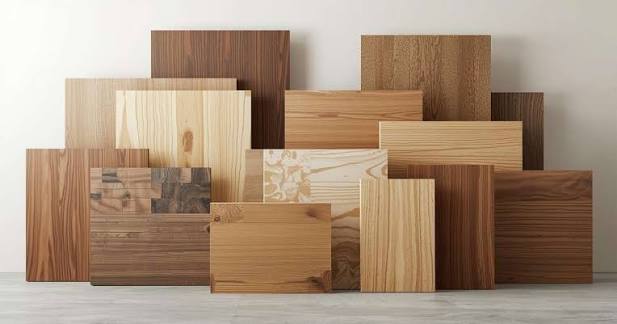
Buying furniture is not just about choosing a design, color, or size. The material hidden beneath the surface determines how long the furniture will last, how it handles daily use, how much maintenance it requires, and whether it is worth the price.
When shopping for tables, cabinets, wardrobes, beds, desks, or storage units, you will often see terms like solid wood, veneer, MDF, and plywood. These materials are commonly used in furniture manufacturing, but many buyers do not fully understand how they differ.
A higher price does not always mean better quality, and a lower price does not always mean poor performance. Each material has strengths and weaknesses depending on how and where the furniture will be used.
This guide explains the real differences between solid wood, veneer, MDF, and plywood so you can make a smarter purchasing decision.
Why Furniture Material Matters
The material inside furniture affects several important factors:
- Durability
- Weight
- Appearance
- Moisture resistance
- Repairability
- Price
- Long-term value
A beautiful cabinet made from a weak material may not survive years of use, while a well-designed piece made from engineered materials can perform extremely well.
Understanding the construction helps you avoid paying extra for marketing terms without knowing what you are actually buying.
Solid Wood Furniture: The Traditional Choice
Solid wood furniture is made entirely from natural wood.
Common types include:
- Oak
- Walnut
- Maple
- Cherry
- Pine
- Teak
Each piece of wood comes from a tree and maintains its natural grain patterns.
For centuries, solid wood has been considered a premium furniture material because of its strength and timeless appearance.
Advantages of Solid Wood Furniture
Exceptional Durability
High-quality solid wood furniture can last for decades or even generations.
Many antique furniture pieces still exist today because natural wood can withstand years of use when properly maintained.
Natural Beauty
Every piece of solid wood has unique grain patterns, colors, and textures.
This creates a natural appearance that many homeowners prefer over manufactured materials.
Easy to Repair
One major advantage of solid wood is repairability.
It can often be:
- Sanded
- Refinished
- Polished
- Repaired after scratches or damage
Instead of replacing the entire piece, you can restore its appearance.
Long-Term Value
Well-made solid wood furniture can maintain value over time, especially when created from high-quality hardwoods.
Disadvantages of Solid Wood
Despite its benefits, solid wood has some limitations.
Higher Cost
Natural wood is usually more expensive because of material costs and craftsmanship.
Sensitive to Moisture
Wood naturally expands and contracts with changes in humidity.
Poorly maintained solid wood furniture can develop:
- Cracks
- Warping
- Splitting
Heavy Weight
Solid wood furniture is often heavier, making moving and rearranging more difficult.
Best Uses for Solid Wood
Solid wood works well for:
- Dining tables
- Bed frames
- Premium cabinets
- Desks
- Long-term investment pieces
For furniture expected to last decades, solid wood remains one of the strongest choices.
Veneer Furniture: Beauty Without the Full Wood Price
Wood veneer furniture uses a thin layer of real wood placed over another material, such as MDF or plywood.
The visible surface is genuine wood, but the interior is made from a different material.
This technique has been used in furniture design for many years and is common in both affordable and luxury products.
Advantages of Veneer Furniture
Premium Appearance
Because the outer layer is real wood, veneer furniture can look almost identical to solid wood.
It allows manufacturers to create attractive designs using expensive wood species without using large amounts of costly timber.
More Stable Than Solid Wood
The underlying engineered core is less likely to expand and contract compared with natural wood.
This can reduce problems caused by humidity changes.
More Affordable
Veneer furniture provides a high-end appearance at a lower cost than solid wood.
Disadvantages of Veneer Furniture
Limited Repair Options
The veneer layer is thin.
Deep scratches or damage may expose the material underneath.
Unlike solid wood, it cannot always be sanded and refinished multiple times.
Quality Varies
Not all veneer furniture is equal.
High-quality veneer products can be excellent, while low-quality versions may use thin coatings that peel or damage easily.
Best Uses for Veneer
Veneer is often suitable for:
- Modern furniture designs
- Office desks
- Entertainment units
- Decorative cabinets
- Bedroom furniture
It is a good choice when appearance matters but the budget does not allow full solid wood.
MDF Furniture: Affordable and Practical
MDF stands for Medium-Density Fiberboard.
It is made by breaking wood fibers into small pieces, combining them with resin, and compressing them into dense panels.
MDF is widely used in modern furniture manufacturing because it creates a smooth, consistent surface.
Advantages of MDF Furniture
Affordable Price
MDF furniture is generally cheaper than solid wood and plywood options.
This makes it popular for budget-friendly furniture.
Smooth Surface
MDF has no natural grain, making it ideal for:
- Painted furniture
- Modern designs
- Smooth finishes
Stable Construction
Unlike natural wood, MDF does not expand and contract as much with temperature changes.
Disadvantages of MDF
Poor Moisture Resistance
MDF absorbs water easily if not properly sealed.
Exposure to moisture can cause:
- Swelling
- Softening
- Permanent damage
Difficult Repairs
Damaged MDF cannot usually be repaired like solid wood.
Once the material breaks down, replacement is often required.
Heavier Than Expected
MDF can be surprisingly heavy because it is made from compressed fibers.
Best Uses for MDF
MDF works well for:
- Painted cabinets
- Shelving
- Interior furniture
- Decorative panels
- Budget wardrobes
For dry indoor environments, quality MDF furniture can perform very well.
Plywood Furniture: The Strong Engineered Option
Plywood is made by layering thin sheets of wood veneer and bonding them together with adhesive.
The layers are arranged in alternating directions, creating a strong and stable panel.
Plywood is commonly used in construction and increasingly in high-quality furniture.
Advantages of Plywood Furniture
Excellent Strength
The layered structure gives plywood impressive durability.
It can handle heavy loads better than many MDF products.
Better Moisture Resistance
While plywood is not waterproof, it generally performs better than MDF in humid conditions.
Lightweight Compared With Solid Wood
Plywood offers strength without the same weight as solid wood.
Good Screw Holding Ability
Furniture made from plywood often holds screws and hardware securely.
Disadvantages of Plywood
Higher Cost Than MDF
Quality plywood is usually more expensive than MDF.
Visible Layers
The edges may show layered construction unless covered or finished properly.
Quality Differences
Low-quality plywood may contain gaps or weak inner layers.
Best Uses for Plywood
Plywood is excellent for:
- Kitchen cabinets
- Wardrobes
- Heavy-use furniture
- Shelving systems
- Structural furniture components
Solid Wood vs Veneer vs MDF vs Plywood: Quick Comparison
| Material | Durability | Price | Moisture Resistance | Appearance |
|---|---|---|---|---|
| Solid Wood | Excellent | High | Moderate | Natural |
| Veneer | Good | Medium | Depends on core | Premium wood look |
| MDF | Moderate | Low | Poor | Smooth painted finish |
| Plywood | Very Good | Medium-High | Better | Depends on finish |
Which Material Is Best for Different Furniture?
Dining Table
Best choice:
- Solid wood
- High-quality veneer over plywood
Dining tables experience heavy use, so durability matters.
Kitchen Cabinets
Best choice:
- Plywood
Kitchen areas experience humidity and frequent use, making plywood a strong option.
Bedroom Wardrobes
Best choice:
- Plywood or quality MDF
The choice depends on budget and moisture exposure.
Office Desk
Best choice:
- Solid wood, veneer, or plywood
Choose based on appearance, workload, and budget.
Budget Storage Furniture
Best choice:
- MDF
For temporary or affordable furniture, MDF can provide good value.
How to Identify Furniture Quality Before Buying
Do not rely only on the product description.
Check:
Ask About the Core Material
A seller may advertise “wood furniture” while only the surface is wood.
Ask whether the furniture is:
- Solid wood
- Veneer over MDF
- Veneer over plywood
- Fully engineered material
Check the Edges
Edges often reveal construction quality.
Look for:
- Smooth finishing
- Strong joints
- No visible gaps
- Quality edge banding
Examine Hardware
Good furniture usually uses:
- Strong hinges
- Durable drawer slides
- Quality connectors
Poor hardware can reduce the lifespan of even good materials.
Common Buying Mistakes
Assuming Heavy Furniture Is Better
Weight alone does not determine quality.
Some heavy MDF furniture may weigh more than plywood but perform worse over time.
Choosing Based Only on Appearance
A beautiful finish does not always mean strong construction.
Always consider the material underneath.
Ignoring Where the Furniture Will Be Used
A material suitable for a dry bedroom may not perform well in a humid kitchen.
Final Thoughts
There is no single “best” furniture material for every situation. Solid wood offers unmatched natural beauty and longevity, veneer provides an elegant appearance at a lower cost, MDF delivers affordability and smooth finishes, while plywood offers excellent strength and stability.
The right choice depends on your budget, lifestyle, room conditions, and how long you expect the furniture to last.
For long-term investment pieces like dining tables and premium furniture, solid wood remains a strong choice. For kitchens and heavy-use storage, plywood often provides the best balance of strength and value. For affordable decorative furniture, MDF and veneer can offer excellent results when properly made.
Understanding these differences helps you buy furniture based on quality—not just appearance.
 Solstice