
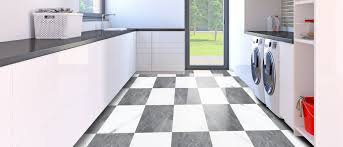
Home improvement projects don’t always require a large budget or professional installation. If you’re looking for an affordable way to refresh a room, peel-and-stick floor tiles are one of the easiest options available. These self-adhesive tiles can transform outdated floors in just a few hours, making them popular among homeowners, renters, and DIY enthusiasts.
But while they offer convenience and low upfront costs, many people wonder whether they actually last. Will they stay in place for years? Can they handle daily foot traffic? Are they a smart long-term investment or just a temporary solution?
The answer depends on several factors, including the quality of the tiles, the condition of the existing floor, and how well they’re installed. In this guide, we’ll take an honest look at the long-term performance of peel-and-stick floor tiles, along with their advantages, disadvantages, and the situations where they make the most sense.
What Are Peel-and-Stick Floor Tiles?
Peel-and-stick floor tiles are vinyl flooring tiles with a pressure-sensitive adhesive already applied to the back. Instead of using glue or mortar, you simply remove the protective backing and press the tile firmly onto a clean, smooth surface.
They are available in a wide variety of styles, including:
- Wood-look planks
- Stone-inspired finishes
- Marble patterns
- Ceramic tile designs
- Geometric prints
- Modern and traditional colors
Many options closely resemble more expensive flooring materials while costing much less.
Why Are They So Popular?
Peel-and-stick flooring has become increasingly popular because it offers a fast and affordable way to update a room.
Homeowners often choose it because it is:
- Budget-friendly
- Easy to install
- DIY-friendly
- Available in many styles
- Suitable for quick renovations
For small projects, it can dramatically improve a room’s appearance without the expense of replacing the entire floor.
How Long Do Peel-and-Stick Floor Tiles Last?
The lifespan depends on several factors, including:
- Tile quality
- Installation quality
- Room usage
- Moisture exposure
- Floor preparation
High-quality peel-and-stick tiles installed on a clean, level surface can often provide reliable performance for many years under normal residential use.
However, lower-quality products or poor installation may lead to problems much sooner.
Long-Term Performance
After months or years of use, homeowners commonly evaluate flooring based on several key areas.
Adhesion
One of the biggest concerns is whether the tiles remain firmly attached.
When installed correctly on a smooth, properly prepared surface, quality tiles generally stay in place well.
Problems usually occur when:
- The subfloor is dirty.
- Dust remains under the adhesive.
- Moisture is present.
- The floor is uneven.
- Installation temperatures are too cold.
Proper preparation has a major impact on long-term success.
Durability
Modern vinyl peel-and-stick flooring is more durable than many people expect.
It handles normal household traffic reasonably well in areas such as:
- Bedrooms
- Home offices
- Laundry rooms
- Dining rooms
- Guest rooms
However, heavy furniture, sharp objects, or constant rolling loads may eventually cause dents or wear.
Appearance Over Time
A quality installation can continue looking attractive for years with routine care.
Lower-quality products may eventually show:
- Edge lifting
- Surface scratches
- Fading in direct sunlight
- Worn protective coating
Choosing thicker tiles with a durable wear layer generally improves long-term appearance.
Best Rooms for Peel-and-Stick Flooring
These tiles perform especially well in:
Bedrooms
Bedrooms experience relatively light foot traffic, making them an excellent location for peel-and-stick flooring.
Laundry Rooms
Many homeowners use peel-and-stick tiles in laundry areas because installation is simple and maintenance is easy.
Home Offices
Office furniture and moderate daily use generally work well with quality vinyl flooring.
Basements
If the basement remains dry, peel-and-stick flooring can provide an affordable upgrade.
However, moisture should always be addressed before installation.
Rooms Where Extra Caution Is Needed
While peel-and-stick flooring works well in many spaces, some areas require additional consideration.
Bathrooms
Many vinyl tiles resist water, but standing water that reaches the seams may reduce adhesive performance over time.
Proper installation and prompt cleanup of spills are important.
Kitchens
Kitchen floors experience:
- Heavy foot traffic
- Dropped utensils
- Grease
- Moisture
Quality products generally perform better in these demanding conditions than thinner budget options.
Pros of Peel-and-Stick Floor Tiles
Easy DIY Installation
One of the biggest advantages is how beginner-friendly they are.
Most homeowners can complete installation using basic tools such as:
- Utility knife
- Tape measure
- Straightedge
- Roller (recommended)
No specialized flooring experience is required.
Affordable
Compared to many flooring materials, peel-and-stick tiles are often one of the least expensive ways to refresh a room.
They’re especially appealing for homeowners completing renovations on a limited budget.
Quick Project Completion
Many rooms can be completed within a single day.
There’s usually no waiting for adhesives to cure before walking on the floor.
Wide Variety of Designs
Modern manufacturing offers styles that resemble:
- Hardwood
- Natural stone
- Slate
- Ceramic tile
- Concrete
This allows homeowners to achieve different looks without paying premium flooring prices.
Easy Maintenance
Routine cleaning generally involves:
- Sweeping
- Vacuuming
- Damp mopping with a manufacturer-approved cleaner
No sealing or refinishing is typically required.
Cons of Peel-and-Stick Floor Tiles
Surface Preparation Is Critical
These tiles perform best on:
- Clean surfaces
- Dry surfaces
- Smooth subfloors
- Level floors
Imperfections underneath may become visible after installation.
Not Ideal for Every Room
High-moisture environments or rooms with significant structural movement may reduce long-term performance.
Lower Impact Resistance
Heavy furniture or sharp objects may leave dents or scratches more easily than some premium flooring materials.
Adhesive Can Fail
Over time, poor-quality adhesive or improper installation may lead to lifting edges or loose tiles.
This is one reason investing in better-quality products often pays off.
Maintenance Tips
To extend the life of peel-and-stick flooring:
- Sweep regularly.
- Wipe spills promptly.
- Use furniture pads.
- Avoid dragging heavy furniture.
- Keep dirt and grit off the surface.
- Follow the manufacturer’s cleaning recommendations.
Simple maintenance can help preserve both appearance and adhesion.
Common Installation Mistakes
Many long-term problems result from installation errors rather than the flooring itself.
Avoid these common mistakes:
- Installing over dusty floors
- Skipping subfloor preparation
- Ignoring uneven surfaces
- Installing on damp concrete
- Misaligning tiles
- Failing to press tiles firmly into place
Taking extra time during installation often leads to better long-term results.
Are Peel-and-Stick Tiles Better Than Click-Lock Flooring?
Both options have advantages.
Peel-and-Stick Flooring
Best for:
- Budget-friendly renovations
- Quick installation
- Small rooms
- DIY beginners
- Temporary or cosmetic updates
Click-Lock Flooring
Best for:
- Long-term renovations
- Heavy foot traffic
- Greater durability
- Floating floor installations
- Premium home upgrades
The better choice depends on your renovation goals and budget.
Who Should Buy Peel-and-Stick Floor Tiles?
They’re an excellent option for homeowners who:
- Want an affordable flooring update.
- Enjoy DIY projects.
- Need a quick room makeover.
- Are renovating guest rooms or offices.
- Want attractive flooring without a major investment.
They may be less suitable for households expecting heavy commercial-style use or looking for a floor that can remain unchanged for several decades.
Frequently Asked Questions
Are peel-and-stick floor tiles durable?
Yes. High-quality peel-and-stick tiles can withstand normal residential use for many years when installed correctly on a clean, level surface and maintained according to the manufacturer’s instructions.
Can peel-and-stick tiles be installed over existing flooring?
In many cases, yes. They can often be installed over smooth, stable surfaces such as vinyl, tile, or concrete. The existing floor should be clean, dry, and free of major damage or uneven areas.
Do peel-and-stick floor tiles come loose over time?
They can if they’re installed on a dirty, damp, or uneven surface, or if low-quality adhesive is used. Proper floor preparation greatly improves long-term adhesion.
Are peel-and-stick tiles waterproof?
Many vinyl peel-and-stick tiles are water-resistant, but that doesn’t necessarily mean the entire floor is waterproof. Water that seeps through seams or reaches the adhesive can affect performance over time, especially if left standing.
Are peel-and-stick floor tiles worth buying?
For many homeowners, yes. They provide an affordable, easy-to-install flooring option that can significantly improve the appearance of a room. They’re especially worthwhile for budget-friendly renovations, light- to moderate-traffic spaces, and DIY projects.
Final Thoughts
Peel-and-stick floor tiles have come a long way from the products available years ago. Today’s high-quality options offer attractive designs, simple installation, and reliable performance for many residential spaces. While they may not match the lifespan of premium hardwood or professionally installed luxury flooring, they can provide excellent value when used in the right rooms and installed correctly.
If you’re looking for a quick, affordable way to update your home’s appearance without taking on a major renovation, peel-and-stick floor tiles are certainly worth considering. By choosing a reputable product, preparing the subfloor carefully, and following the installation guidelines, you can enjoy a fresh-looking floor that serves your home well for years to come.
 Solstice