
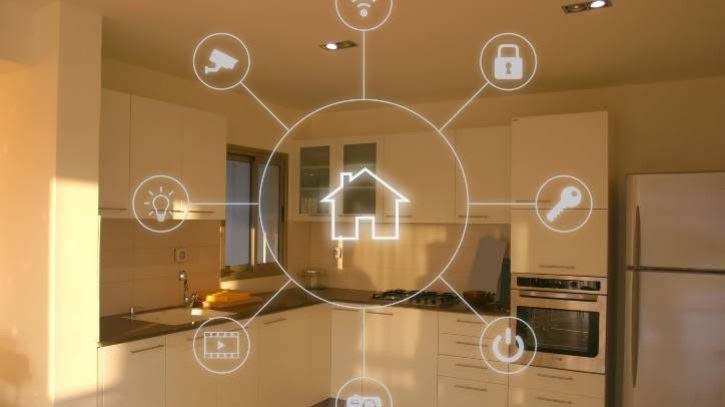
Home security has changed significantly over the years. Traditional locks, alarms, and security cameras were once considered enough to protect a property. Today, homeowners expect more intelligent solutions that can detect risks, respond automatically, and provide complete visibility even when they are away.
Modern smart security systems are moving beyond simple cameras. Instead of relying on one device, integrated home protection combines multiple technologies, including sensors, smart locks, artificial intelligence, automation, and connected devices. These systems work together to create a safer and more responsive living environment.
As smart home technology continues to develop, security is becoming less about recording events after they happen and more about preventing problems before they occur.
The Evolution From Traditional Security to Smart Protection
Traditional home security systems were mostly reactive. A camera recorded footage, an alarm sounded after an intrusion, or a homeowner discovered a problem after returning home.
While these solutions still play an important role, modern security systems focus on real-time awareness and automated responses.
An integrated smart security system can:
- Detect unusual activity around a property
- Identify authorized and unauthorized access
- Monitor doors and windows
- Control entry permissions remotely
- Send instant alerts
- Communicate with other smart home devices
The main difference is connectivity. Instead of operating separately, smart security devices share information and create a complete picture of what is happening around a home.
Why Cameras Are No Longer Enough
Security cameras remain one of the most popular home protection tools, but they have limitations. A camera can capture an event, but it may not always prevent it from happening.
For example, a camera may record someone approaching a door, but without additional systems, it cannot lock the door, turn on outdoor lighting, or notify the homeowner immediately.
Modern security focuses on combining cameras with other technologies such as:
- Motion sensors
- Smart door locks
- Window sensors
- Glass break detectors
- Environmental sensors
- Automated lighting
- Alarm systems
This combination allows homeowners to create a complete security network instead of depending on a single device.
The Role of Artificial Intelligence in Home Security
Artificial intelligence is becoming an important part of modern security systems. AI helps smart devices understand patterns and reduce unnecessary alerts.
Older motion detection systems often triggered alarms because of harmless movements, such as pets, falling objects, or changing weather conditions.
AI-powered systems can analyze activity more intelligently. They may distinguish between:
- A person approaching the house
- A delivery worker leaving a package
- A vehicle entering the driveway
- Normal movement from pets
This reduces false alarms and allows homeowners to focus on situations that actually require attention.
Some advanced systems can also learn normal household routines. If activity suddenly changes, the system may identify it as unusual and notify the homeowner.
Smart Locks and Advanced Access Control
Smart locks are transforming the way people enter and secure their homes. Traditional keys can be lost, copied, or forgotten, but smart access systems provide more control.
Modern smart locks may offer features such as:
- Smartphone unlocking
- Temporary access codes
- Fingerprint recognition
- Activity history tracking
- Remote locking and unlocking
For example, homeowners can provide a temporary code to a cleaner, maintenance worker, or guest without creating a physical key.
This technology is especially useful for rental properties, vacation homes, and households where multiple people need controlled access.
Connected Sensors for Complete Home Monitoring
Sensors are becoming a major part of integrated security systems because they can detect problems that cameras cannot.
Different sensors can monitor:
Door and Window Activity
Smart sensors can instantly notify homeowners when doors or windows open unexpectedly.
Water Leaks
Water sensors placed near sinks, washing machines, and water heaters can detect leaks before they cause major damage.
Smoke and Air Quality
Connected smoke detectors and air quality monitors can provide early warnings about fire risks or unhealthy indoor conditions.
Temperature Changes
Temperature sensors can detect unusual conditions, such as freezing pipes or HVAC failures.
This shows that modern security is expanding beyond preventing theft. It is becoming a complete property protection system.
Automation Makes Security More Effective
One of the biggest advantages of integrated security is automation. Smart devices can work together without requiring constant manual control.
Examples include:
- Outdoor lights turning on when motion is detected
- Doors automatically locking at a specific time
- Cameras activating when sensors detect movement
- Thermostats adjusting during unusual conditions
- Emergency contacts receiving alerts automatically
Automation creates a home environment that can respond quickly, even when homeowners are unavailable.
The Importance of Privacy and Data Protection
Although smart security offers many benefits, it also creates concerns about privacy. Connected devices collect information about property activity, routines, and user behavior.
Homeowners should consider:
- Choosing trusted security brands
- Using strong passwords
- Enabling two-factor authentication
- Keeping devices updated
- Understanding data-sharing policies
A secure home should also include secure technology practices. Protecting digital access is just as important as protecting physical entry points.
Smart Security for Different Types of Homes
Integrated security systems are not limited to large modern houses. They can be adapted for different property types.
Apartments
Apartment residents can benefit from smart locks, video doorbells, and indoor monitoring systems.
Family Homes
Larger homes may require multiple sensors, outdoor protection, and automated access control.
Vacation Properties
Remote monitoring allows owners to check their property, receive alerts, and manage access from anywhere.
Small Businesses and Home Offices
Smart security can help protect equipment, documents, and workspaces.
The best system depends on the property’s layout, risks, and the homeowner’s specific needs.
The Future of Integrated Home Protection
The future of smart security will likely focus on more advanced automation and predictive technology.
Future systems may include:
- AI security assistants that analyze threats
- Facial recognition with stronger privacy controls
- Drone-based property monitoring
- Advanced biometric access systems
- Predictive systems that identify unusual behavior patterns
- Better integration between security, energy, and maintenance systems
Security systems may eventually become part of a larger connected home ecosystem where every major building system communicates together.
Final Thoughts
Smart security is evolving from simple cameras and alarms into complete property protection networks. Modern homeowners are looking for solutions that do more than record problems—they want systems that detect, analyze, and respond.
By combining artificial intelligence, sensors, automation, and connected devices, integrated home protection systems provide a smarter approach to safety.
As technology continues to improve, home security will become more personalized, efficient, and proactive. The future of protecting a property will not only depend on stronger locks or better cameras but on creating an intelligent home that can understand risks and respond before problems become serious.