
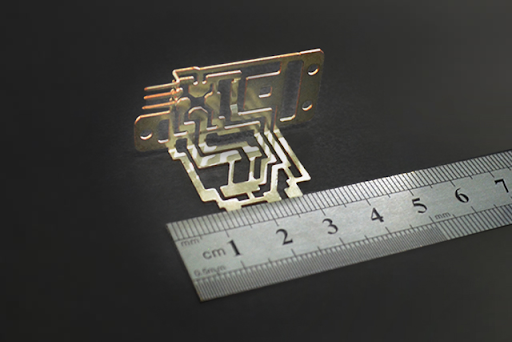
If you asked most people to name the parts of a car that matter most, brackets would rarely make the list. Yet these small structural components quietly perform one of the most important jobs in the entire vehicle: keeping motors, sensors, doors, and electronic systems securely mounted exactly where they need to be, trip after trip, for years on end.
A Simple Sounding Job With Serious Requirements
At first glance, a bracket seems like one of the simplest components in a vehicle. It holds something in place. But that simplicity is deceptive, because the conditions a bracket has to endure are genuinely demanding. Constant vibration from the road, temperature swings between a cold morning start and a hot engine bay, and years of repeated mechanical stress all place real demands on a component that most people never think about unless it eventually fails.
A bracket that loosens or cracks over time does not just create a rattling noise. Depending on what it is supporting, a failed bracket can lead to misaligned doors, malfunctioning sensors, or motors that no longer sit correctly within their intended mounting position, any of which can cascade into larger and more expensive problems.
Where Automotive Brackets Actually Show Up
Automotive brackets serve mounting functions across a genuinely wide range of vehicle systems. Motor mounting brackets need to hold a motor securely in position while accommodating the vibration that comes with the motor’s own operation. Sensor brackets need to keep increasingly sophisticated sensors precisely positioned, since even a small shift in a sensor’s angle or location can affect the accuracy of the data it collects, which matters significantly as vehicles rely more heavily on sensors for driver assistance features. Door mounting brackets need to support the weight and repeated motion of a door being opened and closed thousands of times over a vehicle’s life without developing play or misalignment. Electronic system brackets keep increasingly complex onboard electronics properly secured within a vehicle’s structure.
Precision and Strength, Together
What makes a well-engineered bracket different from a mediocre one comes down to the same combination that matters across most structural automotive components: precise dimensions paired with genuine mechanical strength. A bracket that fits perfectly during initial installation but lacks the strength to withstand years of vibration will eventually develop play or fail outright. Conversely, an overly bulky bracket that prioritizes strength without precise dimensional accuracy can create fitment issues that complicate assembly and potentially introduce stress points elsewhere in the surrounding structure.
Achieving both qualities simultaneously depends heavily on manufacturing precision during the stamping process itself, along with appropriate material selection matched to the bracket’s specific mounting application and the environment it will actually operate in.
Customization Is the Norm, Not the Exception
Because brackets need to match the exact mounting geometry of whatever they are supporting, customized bracket design is essentially standard practice in automotive manufacturing rather than an unusual request. Each vehicle platform, and often each specific component being mounted, calls for a bracket engineered around its particular attachment points, load requirements, and available space within the surrounding assembly.
This is exactly why automotive stamping suppliers specializing in brackets typically work directly from customer drawings and specifications, rather than offering a limited catalog of generic bracket shapes that might only approximately fit a given application.
Why This Unglamorous Component Deserves More Credit
Automotive brackets will likely never get the attention that engines, batteries, or infotainment systems receive, but their reliability directly affects the reliability of everything they support. A vehicle full of impressive technology still depends on these quiet, unglamorous components to keep every single piece of that technology exactly where it needs to be, for as long as the vehicle remains on the road.
What a Well-Designed Bracket Actually Prevents
It helps to think about brackets in terms of what they are actually preventing rather than just what they are holding. A properly engineered sensor bracket prevents the kind of gradual misalignment that could feed inaccurate data into a driver assistance system over time. A properly engineered door bracket prevents sagging or misalignment that would eventually show up as an uneven gap or difficulty closing the door smoothly. Viewed this way, a bracket is less a passive holding device and more an active guarantee that whatever it supports continues performing the way it was originally designed to, for as long as the vehicle stays in service. That framing makes it easier to understand why automotive manufacturers treat bracket design and manufacturing with the same seriousness applied to far more visible vehicle components.